SAILOR 6120 Mini-C Message Terminal – Complete Technical Guide for GMDSS, Inmarsat-C & Maritime Satellite Communications
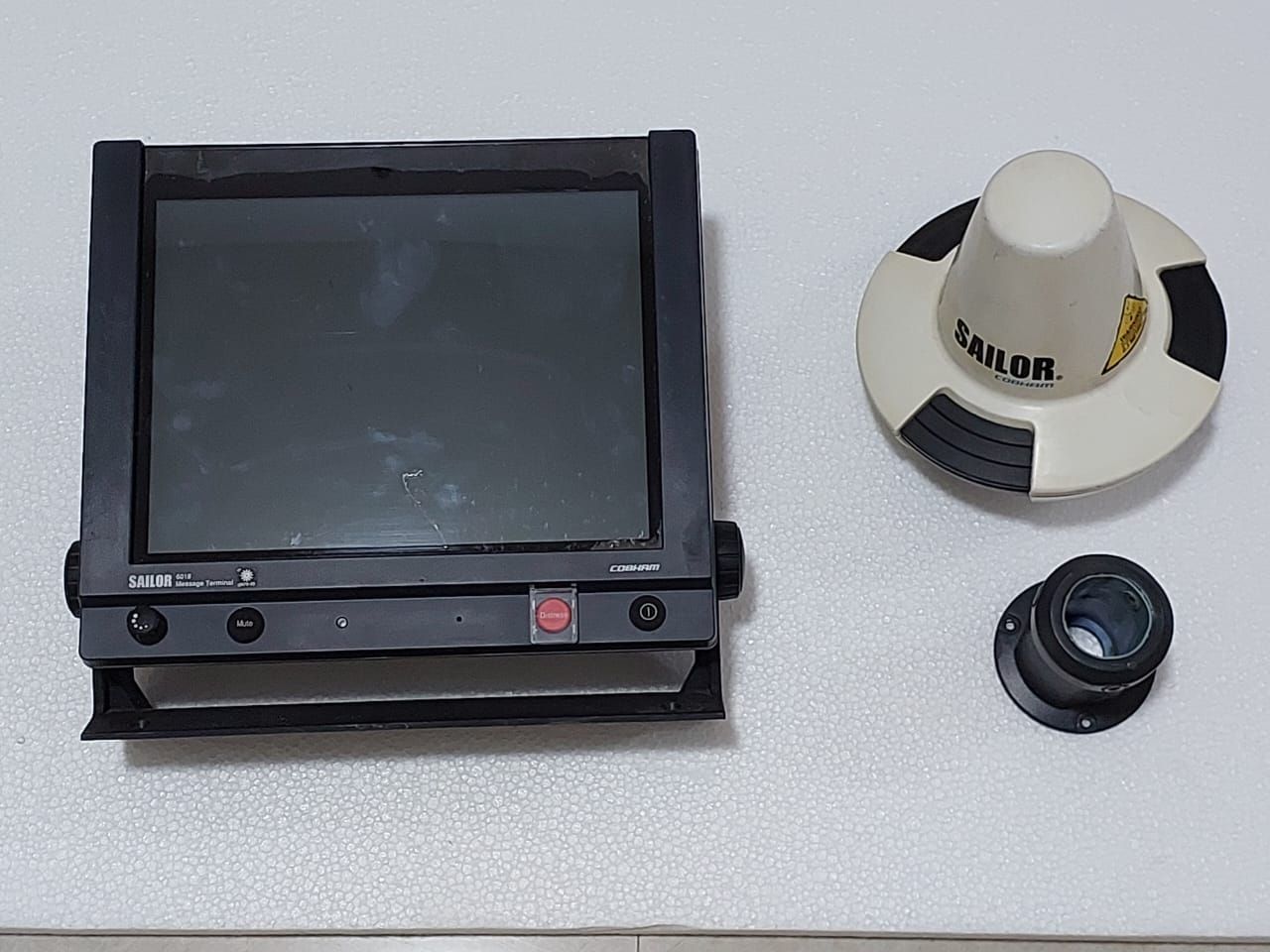
SAILOR 6120 Mini-C Message Terminal – Complete Technical Guide for Maritime Satellite Communications
Product Identification
Manufacturer: Cobham SATCOM (SAILOR)
Country of Origin: Denmark
Product Type: Mini-C Message Terminal / Inmarsat-C Communication Terminal
Marine Application:
- GMDSS Communications
- Inmarsat-C Messaging
- Distress Alerting
- LRIT Reporting
- SafetyNET Reception
- Fleet Communications
- Maritime Safety Information (MSI)
- Vessel Tracking & Monitoring
Product Introduction
Reliable communication is a fundamental requirement for safe vessel operation. Modern ships must maintain continuous connectivity with shore authorities, fleet operators, rescue coordination centers, and maritime safety organizations.
The SAILOR 6120 Mini-C Message Terminal is a next-generation Inmarsat-C communication system designed to meet SOLAS and GMDSS requirements while providing dependable global satellite communication.
The SAILOR 6120 combines advanced satellite technology with a user-friendly touchscreen interface, making it one of the most popular Mini-C terminals installed on commercial vessels worldwide.
SAILOR 6120 System Overview


What Is the SAILOR 6120 Mini-C Message Terminal?
The SAILOR 6120 is a satellite communication terminal that operates through the Inmarsat-C network.
Unlike voice communication systems, the Mini-C terminal is optimized for:
- Distress Alert Transmission
- SafetyNET Reception
- Fleet Messaging
- Email & Text Communications
- Position Reporting
- LRIT Compliance
- Ship Security Alerts
- Maritime Safety Information Distribution
The terminal continuously exchanges data through Inmarsat satellites, ensuring global communication coverage even in remote ocean areas.
Typical Shipboard Installation


Main Features
IMO & SOLAS Compliance
Fully approved for GMDSS operations aboard SOLAS vessels.
Global Inmarsat Coverage
Provides worldwide satellite communication through the Inmarsat network.
Touchscreen Operation
Modern user interface for easier navigation and operation.
Distress Alert Capability
Immediate emergency communication with Rescue Coordination Centers (RCCs).
SafetyNET Reception
Receives:
- Navigational Warnings
- Weather Warnings
- SAR Messages
- Piracy Alerts
- Ice Information
LRIT Reporting
Supports Long Range Identification and Tracking requirements.
FleetBroadband Integration
Can operate alongside modern satellite communication systems.
Compact Design
Requires minimal bridge space.
Reliable Marine Construction
Built for continuous operation in demanding maritime environments.
Communication System Components

Main Components
Message Terminal Unit (MTU)
The main operator interface used for communication management.
Mini-C Antenna
Provides communication with Inmarsat satellites.
Distress Alert Button
Dedicated emergency transmission function.
GPS Receiver Interface
Supplies vessel position information.
Communication Processor
Handles message routing and satellite communication.
Power Supply System
Provides stable operating voltage.
Data Interfaces
Supports integration with:
- GPS
- ECDIS
- VDR
- Bridge Alarm Systems
- Fleet Monitoring Systems
Applications
GMDSS Operations
Mandatory communication equipment on SOLAS vessels.
Distress Communications
Transmission of emergency alerts and distress messages.
Maritime Safety Information (MSI)
Reception of SafetyNET broadcasts.
Fleet Management
Communication with company headquarters and fleet operators.
Vessel Tracking
Supports LRIT and vessel monitoring systems.
Search & Rescue Operations
Provides communication with rescue coordination centers.
Security Communications
Supports Ship Security Alert System (SSAS) integration on many installations.
Satellite Communication Network


Common Problems & Troubleshooting
No Satellite Communication
Possible Causes
- Antenna blockage
- Damaged RF cable
- Antenna malfunction
Troubleshooting
- Verify antenna visibility
- Check connectors
- Inspect cable continuity
Distress Function Failure
Possible Causes
- Incorrect vessel configuration
- GPS position unavailable
Troubleshooting
- Verify MMSI and vessel data
- Check GPS input status
SafetyNET Messages Not Received
Possible Causes
- Incorrect EGC settings
- Satellite coverage issue
Troubleshooting
- Verify NAVAREA selections
- Check message filters
Position Reports Not Updating
Possible Causes
- GPS communication failure
- NMEA interface fault
Troubleshooting
- Verify GPS output
- Check interface settings
Touchscreen Not Responding
Possible Causes
- Software fault
- Hardware calibration issue
Troubleshooting
- Restart terminal
- Check display calibration
Common Alarms
The SAILOR 6120 may generate alarms including:
- GPS Position Lost
- Distress Communication Failure
- Antenna Communication Error
- Satellite Link Failure
- Power Supply Alarm
- LRIT Reporting Failure
- MSI Reception Failure
- Internal Communication Error
Maintenance Tips
Daily Checks
- Verify terminal operational status.
- Confirm GPS position availability.
Weekly Checks
- Review message logs.
- Confirm SafetyNET reception.
Monthly Checks
- Inspect antenna condition.
- Verify communication performance.
Quarterly Checks
- Test distress functions.
- Check interface connections.
Annual Maintenance
- Perform GMDSS inspection.
- Verify antenna performance.
- Review software and configuration settings.
Why Ships Still Use the SAILOR 6120
The SAILOR 6120 remains one of the most trusted Mini-C systems because of:
- Proven reliability
- Global Inmarsat coverage
- IMO compliance
- Simple touchscreen operation
- Excellent integration capabilities
- LRIT compatibility
- Worldwide service support
Thousands of merchant vessels continue to depend on the SAILOR 6120 for critical maritime communication services.
Frequently Asked Questions (FAQ)
What is the SAILOR 6120 used for?
The SAILOR 6120 is a Mini-C satellite communication terminal used for GMDSS communications, SafetyNET reception, LRIT reporting, and distress alerting.
Does it support GMDSS requirements?
Yes. It is fully approved for GMDSS operations.
Can it receive SafetyNET broadcasts?
Yes. It receives Enhanced Group Call (EGC) SafetyNET messages.
Does it require GPS input?
Yes. Position information is required for several communication and distress functions.
Is the SAILOR 6120 still widely used?
Yes. It remains one of the most commonly installed Mini-C terminals aboard commercial vessels.
Short Product Description
The SAILOR 6120 Mini-C Message Terminal is a professional Inmarsat-C communication system designed for GMDSS compliance, distress alerting, SafetyNET reception, LRIT reporting, and worldwide maritime satellite communications. Built by Cobham SATCOM, it provides reliable and efficient communication for commercial ships operating globally.
SM MARINE SERVICE™
Marine Automation & Navigation Equipment Supplier
Available Condition:
• New Equipment • Used Equipment • Refurbished Equipment • Reconditioned Equipment
Stock Location:
• Bangladesh • China
Services:
• Worldwide Shipping • Technical Support • Spare Parts Supply • Marine Equipment Sourcing
Contact Information
SM MARINE SERVICE™
Samir Market, DT Road, Pahartali, beside CDA Market, Chattogram, Bangladesh
Mobile / WhatsApp / Viber: +88 01818 929292
Email: info@smmarineservice.com
Website: www.smmarineservice.com